
Landing page banner


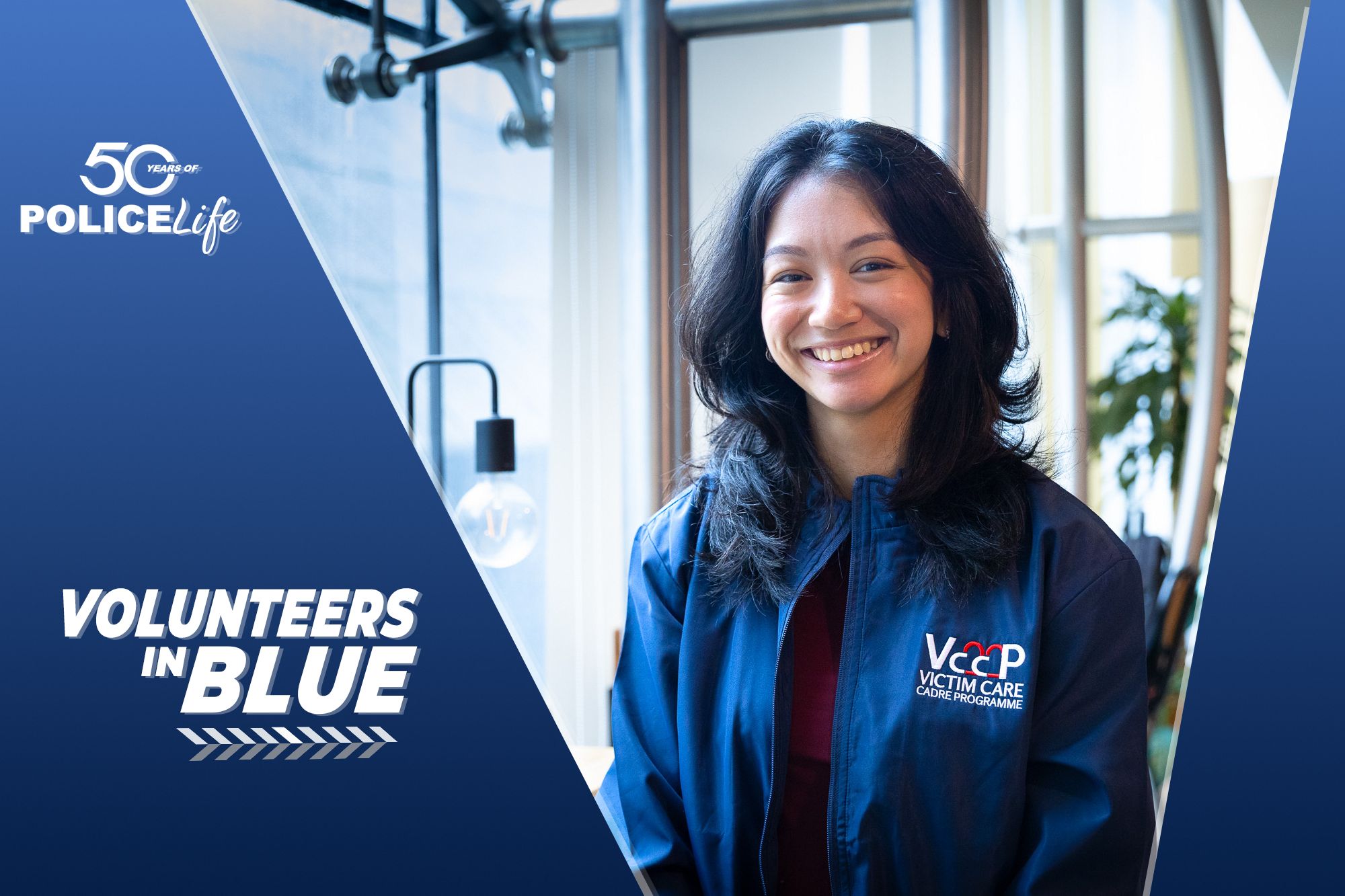
“The resilience of people who persevere through adversity, never fails to leave me in awe.”
It’s a sentiment that has stayed with Ms Robyn Catherine Nair since she joined the Singapore Police Force (SPF)’s Victim Care Cadre Programme (VCCP) in 2024.
Moved by the resilience of people facing difficult circumstances after falling victim to crime, she wanted to better understand their experiences and how they could be supported mentally and emotionally. “I wanted to lighten that burden, even if just a little,” Ms Robyn shared.
That motivation led her to the VCCP, where trained volunteers, known as Victim Care Officers (VCOs), provide trauma-informed psychological first aid to victims of crime and connect them with community resources for further support when needed.
From Curiosity to Commitment
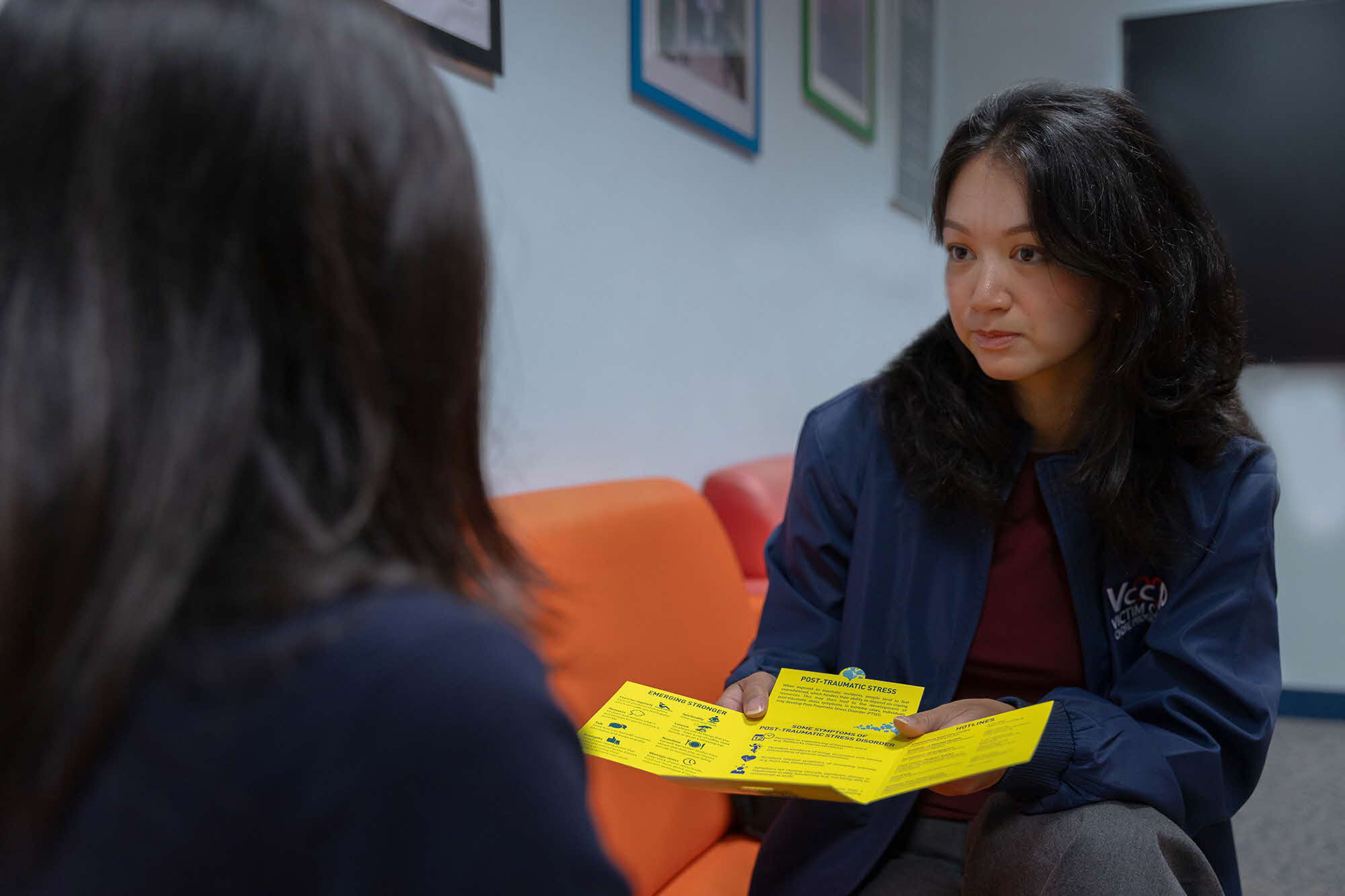
Ms Robyn first learnt about the VCCP while studying Trauma Psychology at Nanyang Technological University. Her lecturer, Dr Jansen Ang, who is also Director of the Police Psychological Services Department (PPSD), introduced the programme to her class. This gave her a glimpse of how the concepts taught in school could be applied to supporting people affected by crime.
“The work that VCOs do is inspiring,” she said. Through Victim Care sessions, VCOs help victims understand the support resources available to them and take an active role in their own recovery. This approach resonated with Ms Robyn and motivated her to volunteer.
Training for the Emotional Reality
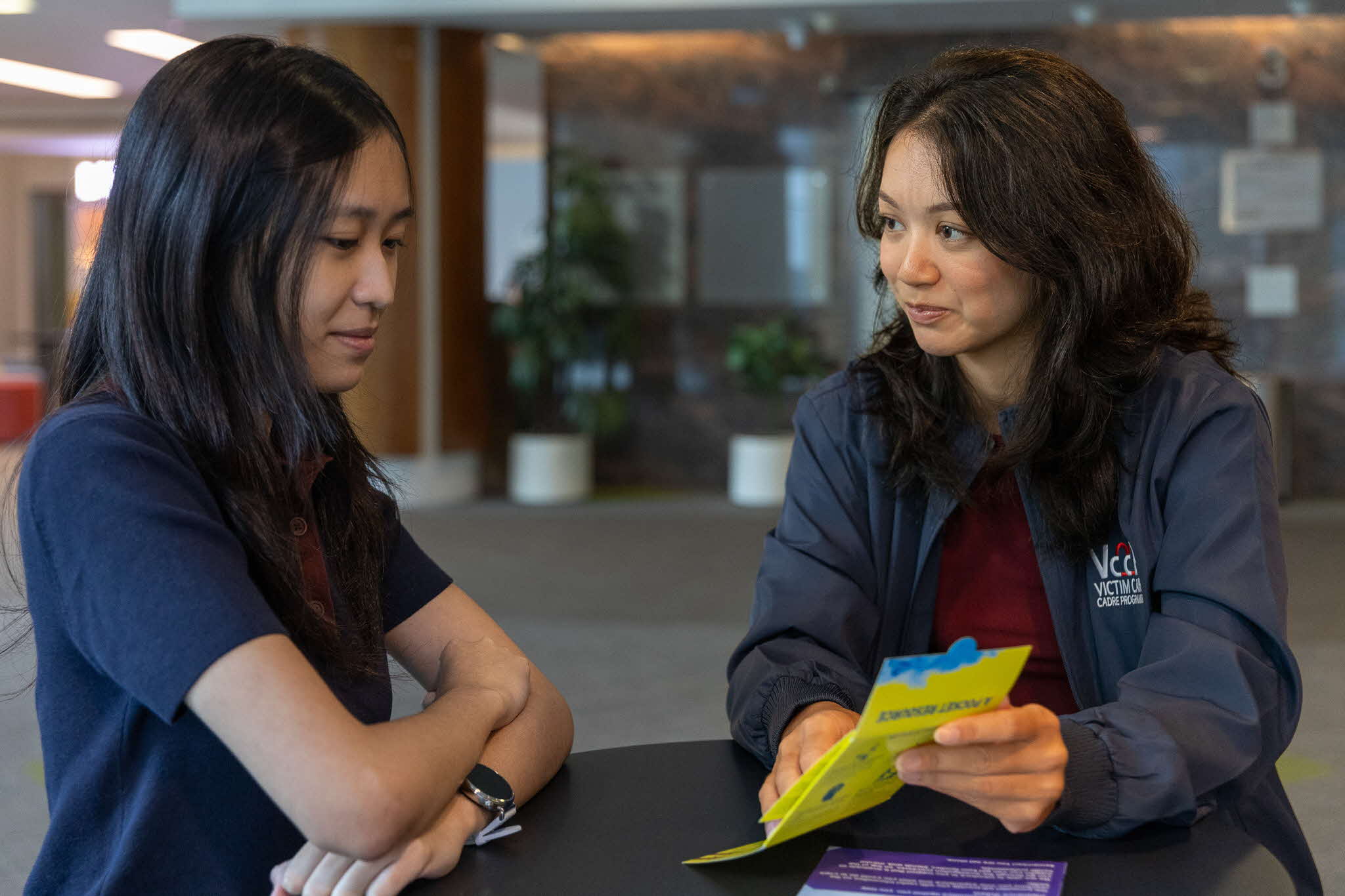
Before taking on cases, Ms Robyn completed an intensive three-day training and selection programme organised by the PPSD. Through practice scenarios, she learnt trauma-informed care principles and psychological first aid skills to support people who have experienced distressing events.
However, applying these skills in reality was a different experience. “We learned what to expect during training sessions but it’s different when you’re in the actual room with the victim,” she explained.
Although she was prepared for each session, the emotional impact of hearing a victim’s experience often only sank in afterwards.
“The work doesn’t end when a session concludes. VCOs also need time to reflect on their experiences and process the emotions that may arise from supporting someone through a difficult period,” she said.
One lesson she learnt from more experienced volunteers was the importance of having a routine after each Victim Care session. Working in pairs, VCOs complete the necessary documentation and updates before a joint debrief. These conversations allow them to discuss complicated emotions, clarify concerns and reflect on their sessions.
“Having someone to talk to anchors me, helps me process these experiences and maintain perspective,” she shared.
Finding Support Within a Community
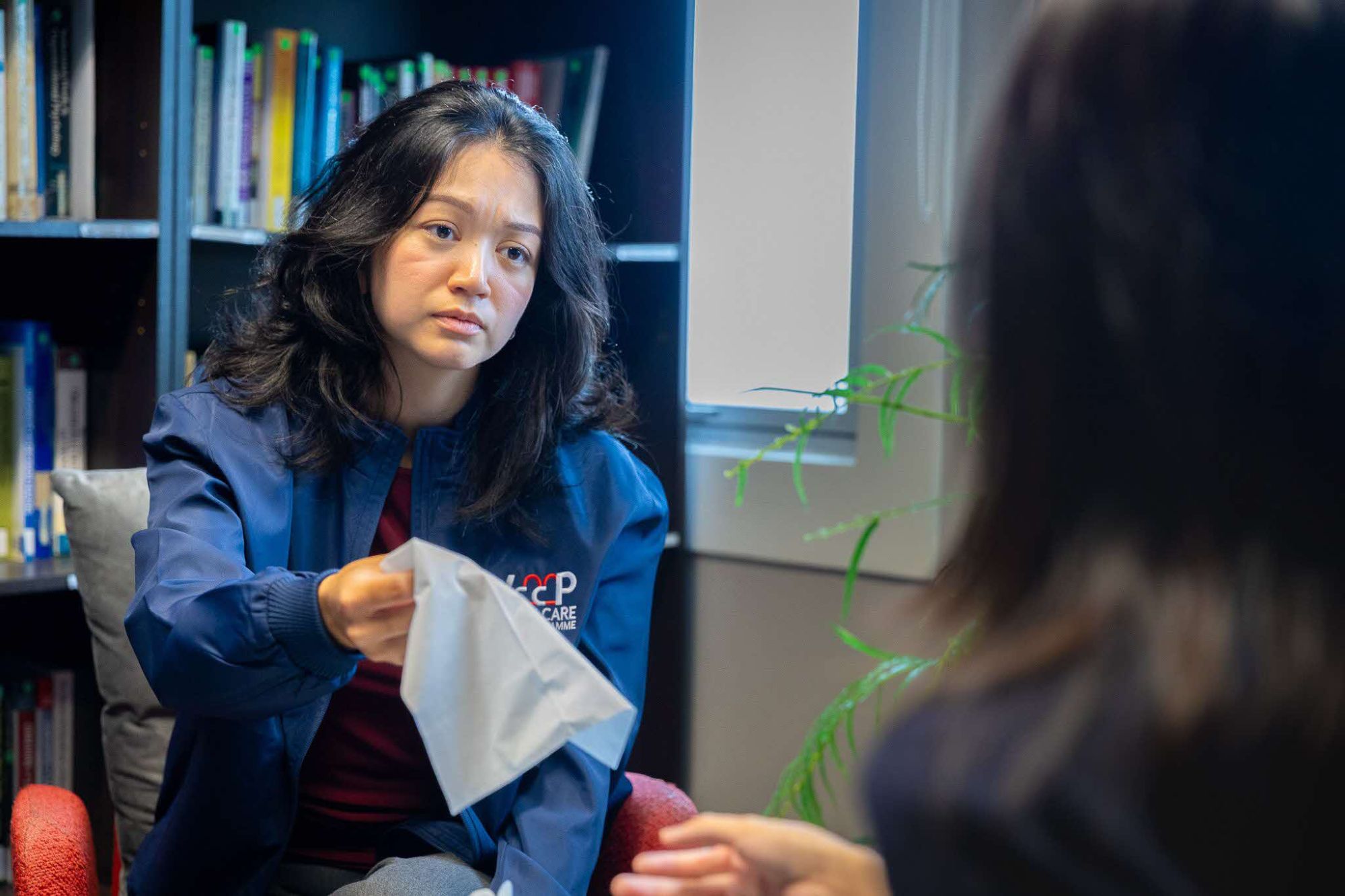
At 22, Ms Robyn is one of the younger volunteers in the VCCP. Initially, she expected to feel intimidated working alongside those with more experience in mental health and victim support. Instead, she found a welcoming community of volunteers who willingly shared their knowledge and guided her along the way.
“In my first few debriefs, I always asked them how they were so quick with their thoughtful responses and how they navigated the flow of a session so expertly,” she shared.
As she gained experience, Ms Robyn also discovered that being a younger volunteer helped her connect better with younger victims. “Our stressors may be more similar, we may see things from a similar perspective and we’re more likely to come across the same online content, which helps create a common topic during our sessions,” she explained.
Small Moments, Lasting Impact
Despite the emotional challenges, the people she meets continue to motivate Ms Robyn in her victim care work.
“Listening to victims’ stories, understanding the support systems they have around them and hearing how they’ve been coping – I’m consistently moved by the strength individuals demonstrate and the quiet grit that sustains their perseverance,” she said.
One experience that has stayed with her was when a victim thanked her after a session. Though a small gesture, it was a meaningful moment that helped her recognise the value of the support she provides.
As VCO engagements are usually one-off sessions, Ms Robyn sometimes wondered whether her efforts were enough to make a difference. “I know that we can’t solve all their problems, but we can help them leave the session feeling just 5% better than how they came in,” she said.
Her experiences as a VCO have since deepened her passion for victim support and public policy, particularly how systems and support networks can better serve those affected by crime. She’s now pursuing victim care work and advocacy in her first job after university.
Taking the First Step
For young people considering becoming a VCO, Ms Robyn acknowledges that the role comes with a steep learning curve. Supporting someone through a difficult experience is not a skill that can be mastered overnight.
“As a volunteer, you may not always know what to say,” she said. “You’ll never feel completely ready but there’s always more that you can learn and improve upon.”
Her journey shows that making a difference doesn’t always mean having all the answers. Sometimes, it starts with being willing to listen and offer support without judgement.
Volunteers in Blue
In this series, we spotlight our dedicated volunteers who serve with passion and commitment across various schemes within the SPF.
Ready to embark on a rewarding journey with the SPF and make a difference to the community? Find out how you can join the VCCP to play your part in building a safer Singapore.


