Landing page banner


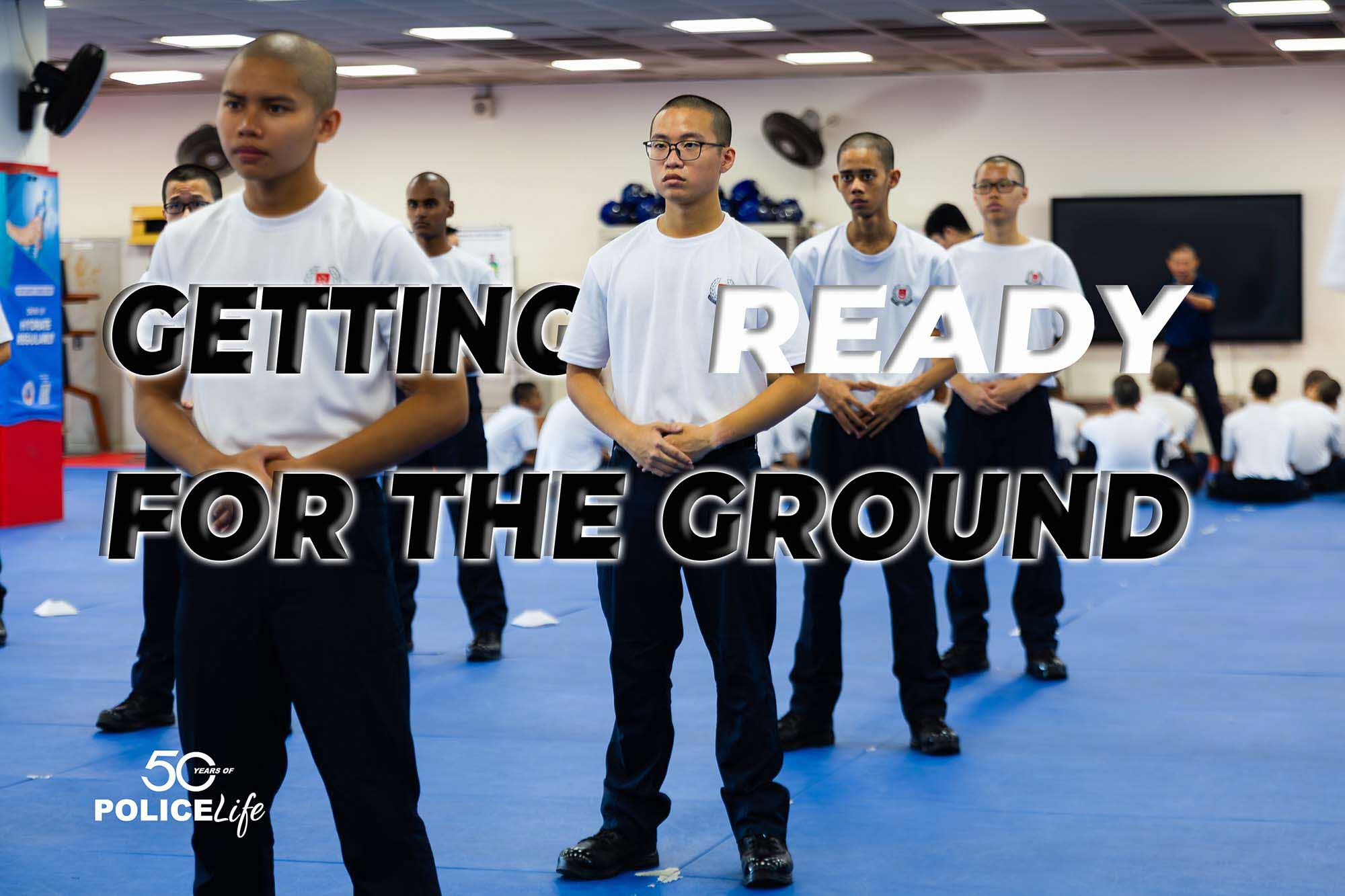
After weeks of physical training at the Home Team Academy (HTA), I’d started to get used to life as a Full-time Police National Service (PNSF) trainee with the Singapore Police Force (SPF).
To my surprise, my weeks of physical training had paid off. I passed my Individual Physical Proficiency Test (IPPT) and achieved the Silver Standard.
But undergoing the Police Officer Basic Course (POBC) wasn’t just about getting physically fitter. As our training progressed, we were taught essential skills which would enable Police officers to carry out their duties effectively. These included the Home Team First Aid Course (HTFAC), Police Contact Tactics (PCT) and the Pistol Operator Course (POC).
Using Appropriate Force to Take Down Subjects
Police officers, including PNSF officers, operate in a dynamic environment and routinely respond to situations that may require the use of necessary force to ensure public security and safety. Such situations include preventing offences, protecting lives and property, and arresting suspects. PCT training equips us with the skills and competencies to carry out our policing duties effectively and safely.
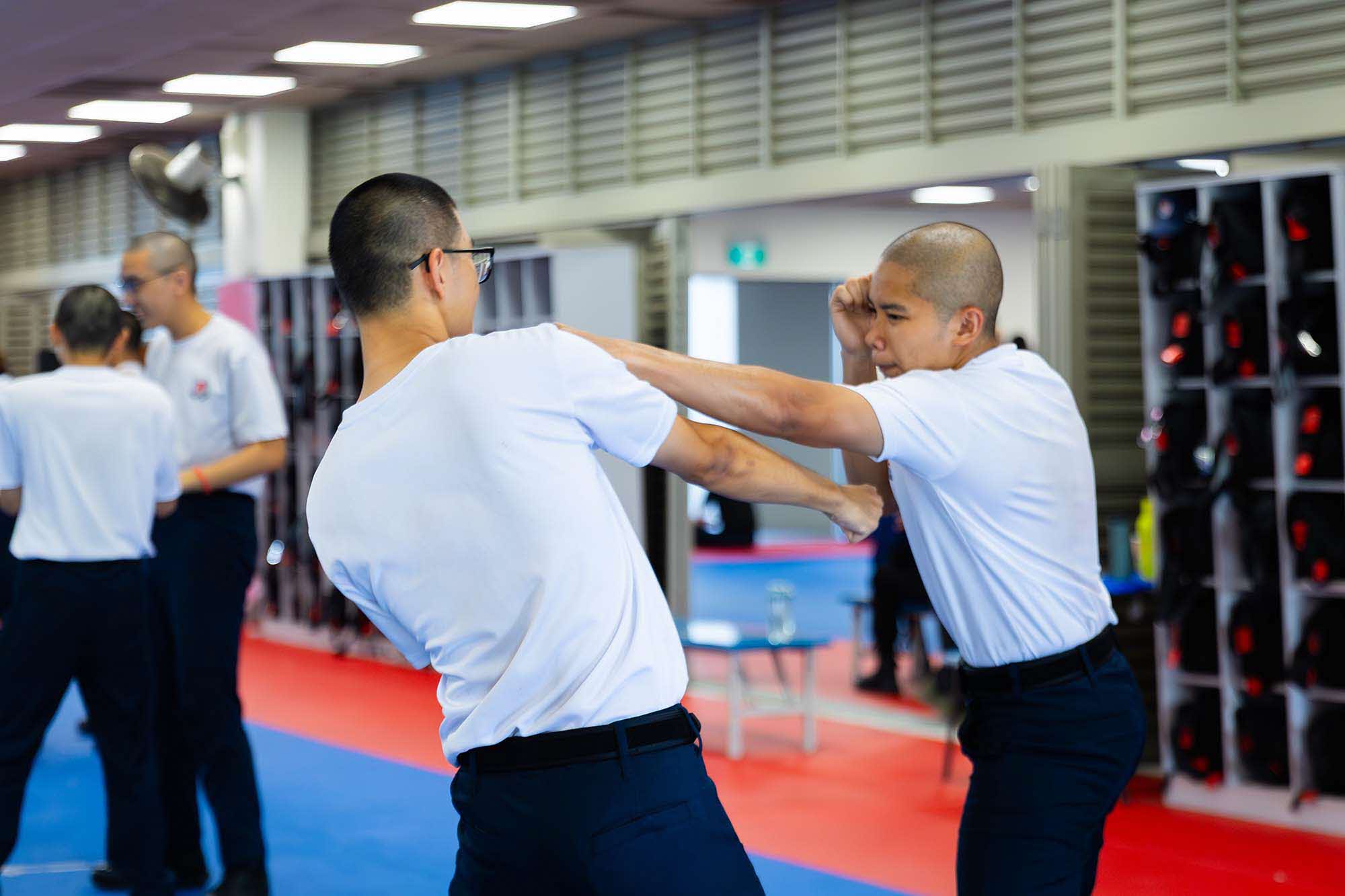
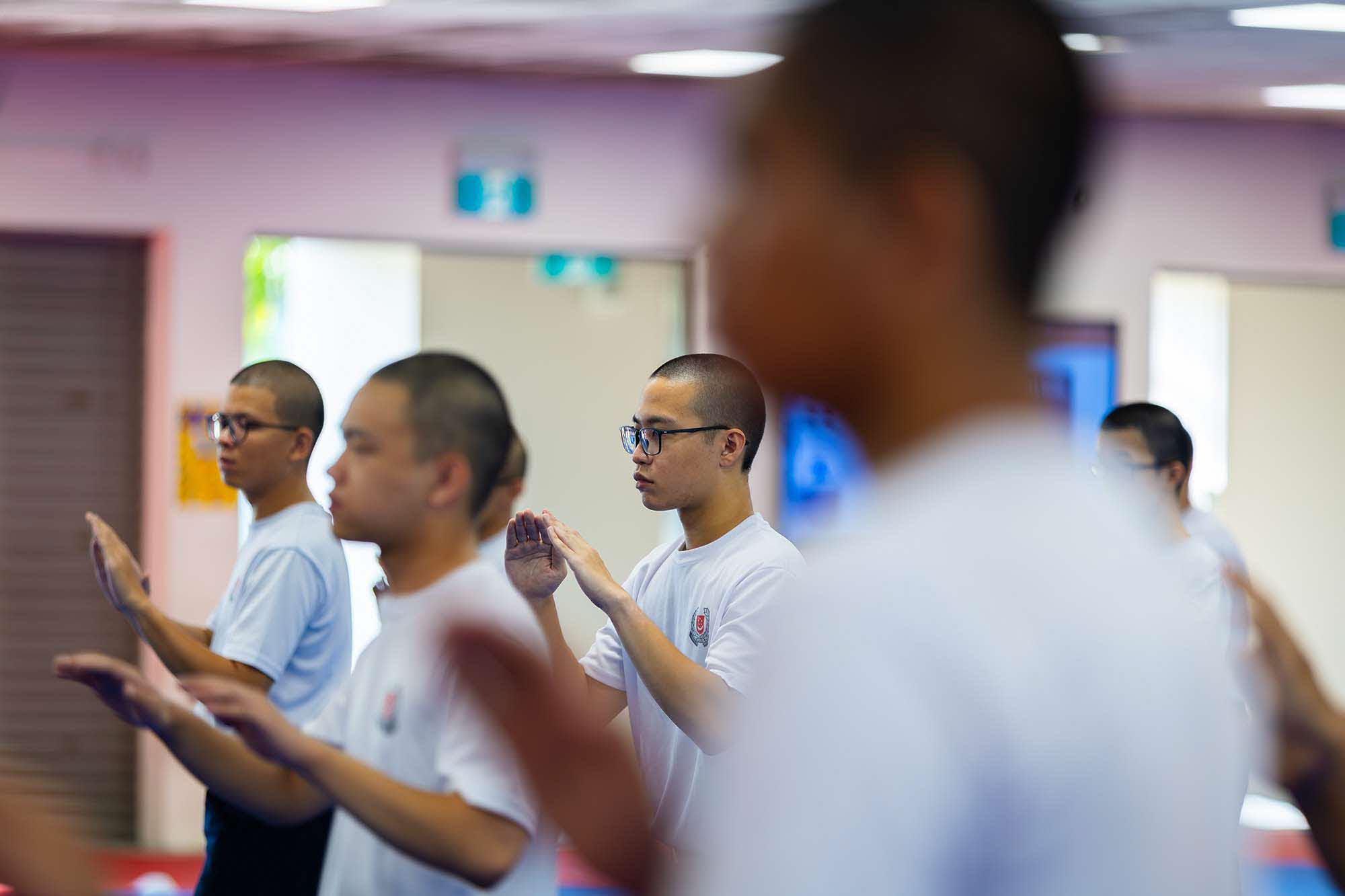
During my first PCT training at the HTA Dojo, our instructors guided us through the basic techniques step by step. We then put what we’d learnt into practice through different scenarios simulating real situations often encountered by Police officers. During the training, we took turns playing the roles of suspect and officer.
During the handcuffing training, I was struggling to execute the handcuffing techniques, which required me to take down my training partner – who was bigger in size and stronger than me – and apply the handcuffs. With guidance from our experienced instructor, I corrected my stance and hand positioning and successfully secured the handcuffs on my training partner.
For me, the hardest part wasn’t learning the techniques but being able to think quickly on my feet to respond effectively and safely to situations when I least expected them.
Learning Lifesaving Skills
During our POBC, we attended the HTFAC, where we learnt basic lifesaving skills such as performing Cardiopulmonary Resuscitation (CPR), operating an Automated External Defibrillator (AED), and applying bandages and dressings to various types of wounds.
At first, I assumed performing CPR on a mannequin would be quite straightforward – much like what I’d seen on TV. However, there were more procedures involved than I’d expected, and doing chest compressions for the first time made me realise how physically demanding it was.
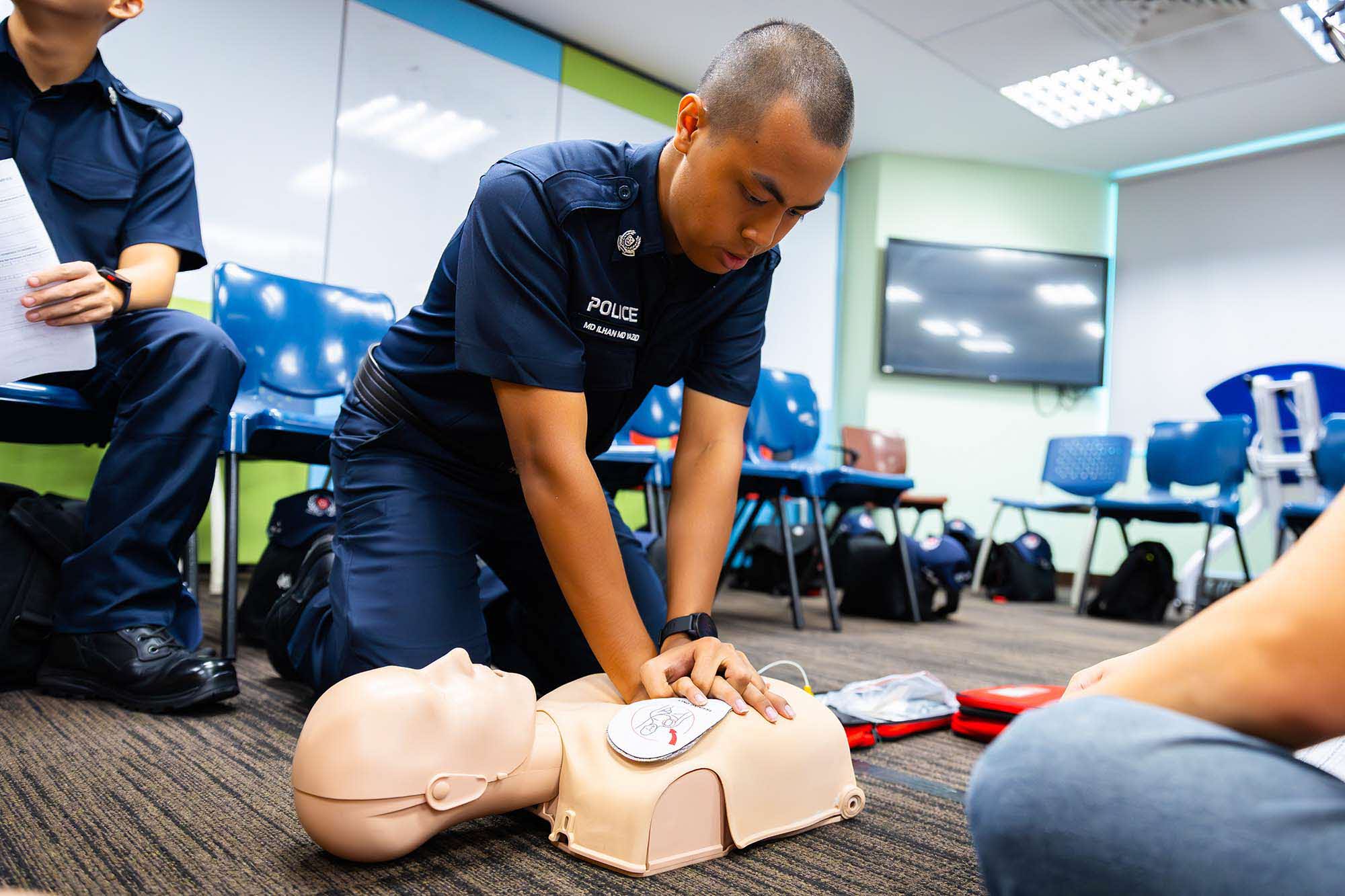
By the end of the HTFAC, we'd learnt how to assess the situation when a person became unconscious, check for a response and perform chest compressions correctly. Most importantly, I learnt that responding to a medical emergency requires us to remain calm under pressure and apply what we’ve been trained to do.
Stepping into the Range
The Pistol Operator Course was one of my most memorable moments during the POBC. Before we could proceed with live firing at the shooting range, we had to learn about the pistol that we’d be operating, safety rules and precautions during the training, how to strip and assemble the pistol as well as the principles of marksmanship.
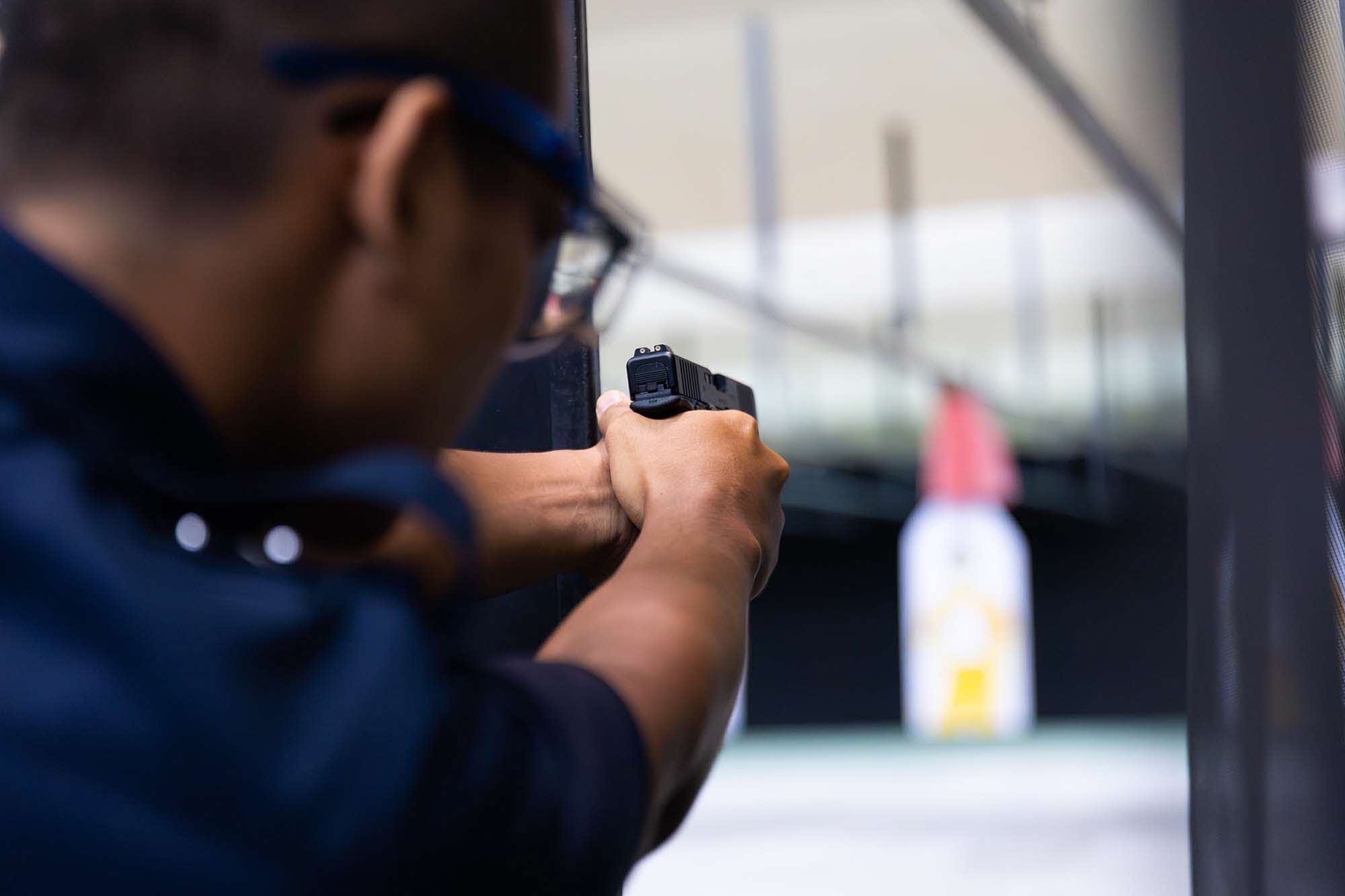
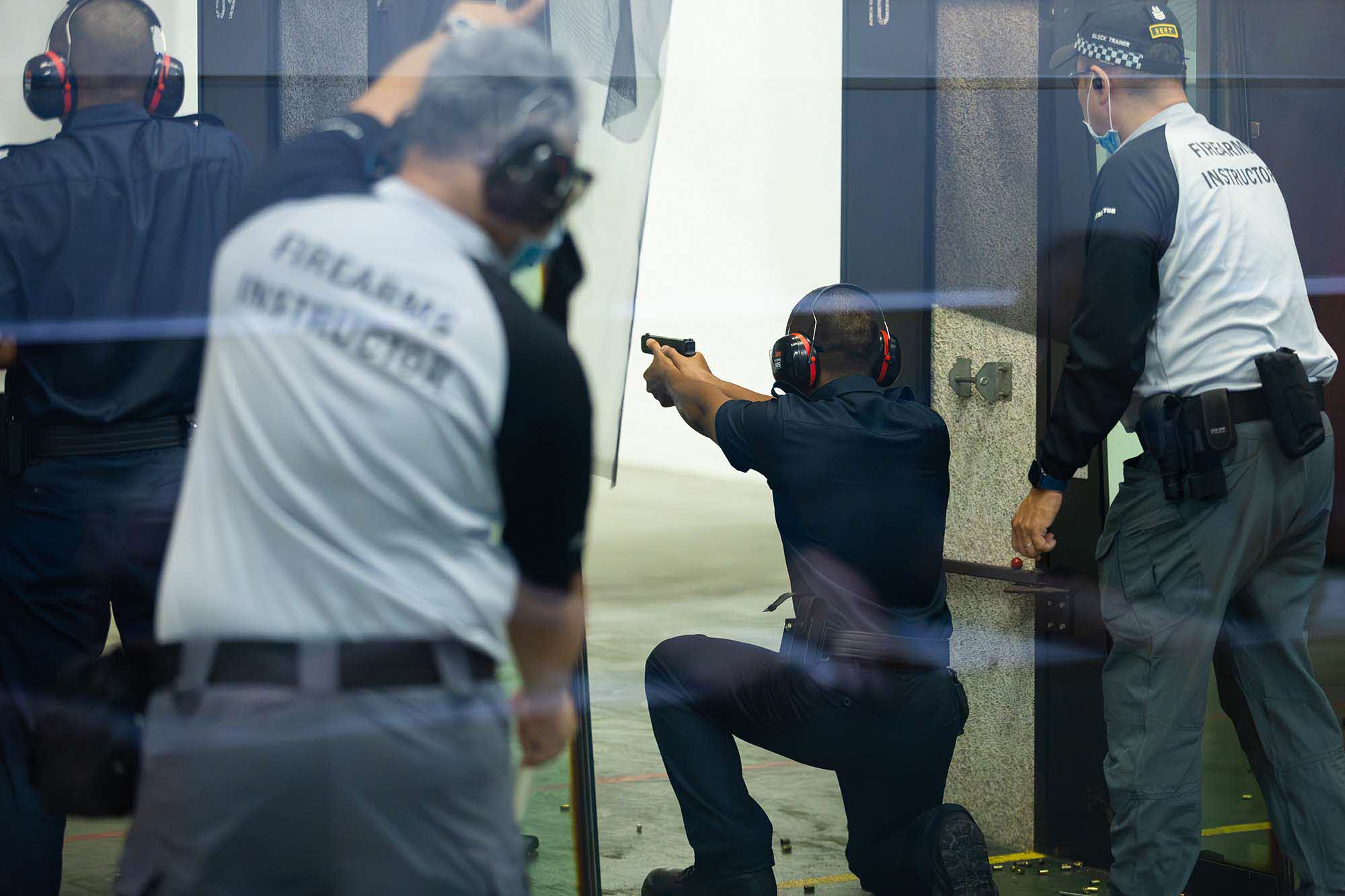
I clearly remembered the first time I held a pistol – my heart was pounding with a mix of nervousness and excitement. Feeling the weight of a real pistol in my hands, I was hesitant to pull the trigger.
Firing my first live round reminded me that this wasn’t a game – handling a firearm came with great responsibility.
With each round of practice, I was able to improve my marksmanship. More importantly, I also came to understand why our instructors placed so much emphasis on safety and discipline throughout the training.
More Than Just Training
Looking back on the training, I realised that the POBC was preparing us for the realities of policing. After four months of training at the HTA, I’d learnt essential skills to handle situations on the ground and carry out policing duties effectively.
My training will be put to the test when I’m posted to my vocation unit following the completion of POBC in October 2026.
NS Diaries is a series that chronicles the National Service journey during the Police Officer Basic Course. Check out:
-NS Diaries: Enlistment Day
-NS Diaries: Physical Training
Frequently Asked Questions
What do PNSF officers learn during their basic training?
During the Police Officer Basic Course, Full-time Police National Service (PNSF) officers are equipped with police knowledge and skills. These include basic first aid skills and CPR through the Home Team First Aid Course; operational fitness components such as Police Contact Tactics, the Pistol Operator Course, Physical Training, the Police Standard Obstacle Course, Swimming and Foot Drill; and Professional Policing Knowledge like Criminal Laws, Ethics and Values; and Police Operations and Procedures.
What is Police Contact Tactics (PCT) training?
During PCT, trainees learn self-defense tactics, control and restraint techniques to handle uncooperative or violent suspects in a safe manner.
Why do PNSF officers need to learn first aid and CPR?
Police officers may be among the first responders at an emergency. Knowing basic first aid and CPR allow the officers to provide immediate assistance to the persons (victims, offenders or members of the Public) in need, while waiting for further medical help.
Is firearms training difficult?
It’s natural to feel nervous when firing firearms for the first time. Learning to shoot requires an understanding of handling the firearms safely, the marksmanship principles, proper gripping and breathing techniques. It takes practice but paying close attention during briefing sessions and seeking guidance from instructors can help build confidence and skills.
What’s the most challenging part of the Police Officer Basic Course?
Everyone has different strengths and challenges, and the training can be physically and mentally demanding. Maintaining a positive attitude and working well within the squad will go a long way in getting through the course.


