
Landing page banner


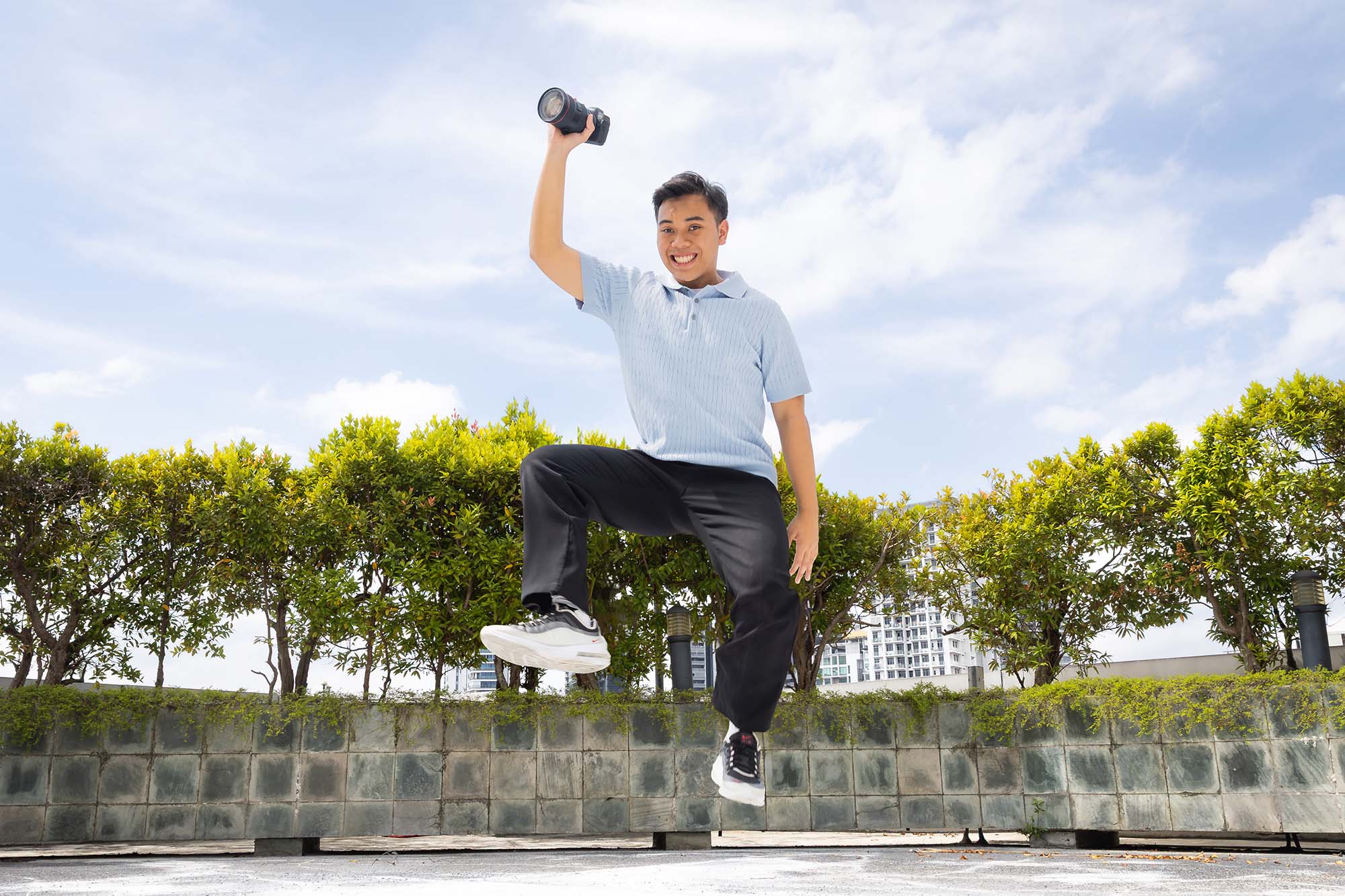
School taught me the technical foundations of journalism – how to write, shoot and edit. The Singapore Police Force (SPF) showed me how every word I wrote and every photograph I captured contributed to a deeper purpose.
As a final-year Mass Communication student at Republic Polytechnic (RP) who interned with the SPF, I discovered that real journalism extends far beyond classroom theory and practical assignments. Here at the SPF, journalism isn’t just about reporting; it’s about building public trust and telling authentic stories about those who serve our community.

A Silent Observer
One of my first assignments was covering an enforcement operation in Rochor and Little India targeting secret society activities – thrusting me into the heart of police work.
It was only my first week when my supervisor, the Head of the Editorial Unit, approached me: “There’s an enforcement operation tomorrow or Friday night. Can you cover it?”
This wasn’t a simulated exercise; this was the chance to practise journalism in its rawest form. Without hesitation, I said yes.
On Thursday night, I was in a Police van heading to a public entertainment outlet in Rochor. Clutching my camera, I felt my thoughts racing. The technical skills I’d learned at RP suddenly felt secondary to a more pressing challenge: how to document sensitive police operations in the most effective way.
The other journalists in the van were from various mainstream media organisations. They seemed genuinely surprised when I mentioned that this was my first week as an intern. “You get opportunities like this during your internship?” one of them said. “That’s amazing.”
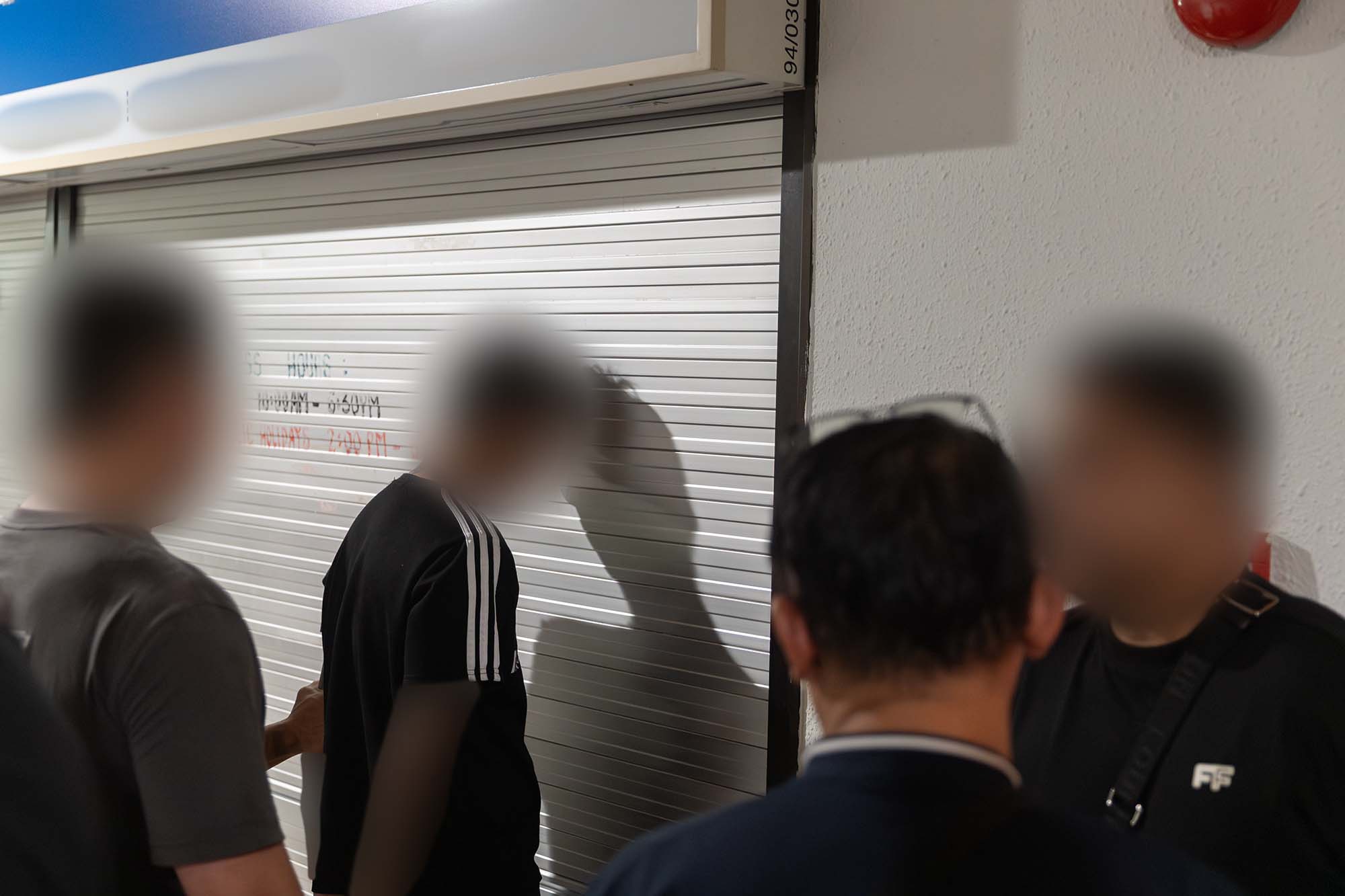
Moments later, the van pulled over. We were swiftly escorted into the outlet as officers conducted checks; engaged patrons and staff; and made arrests.
I quickly realised that my classroom lessons in photography composition were just one step in my learning. My internship allowed me to apply them in a real-world context – knowing when to capture crucial moments without interfering with police work. At one point, I became so focused on getting the perfect shot that I didn’t notice the rest of the media group had moved on without me.
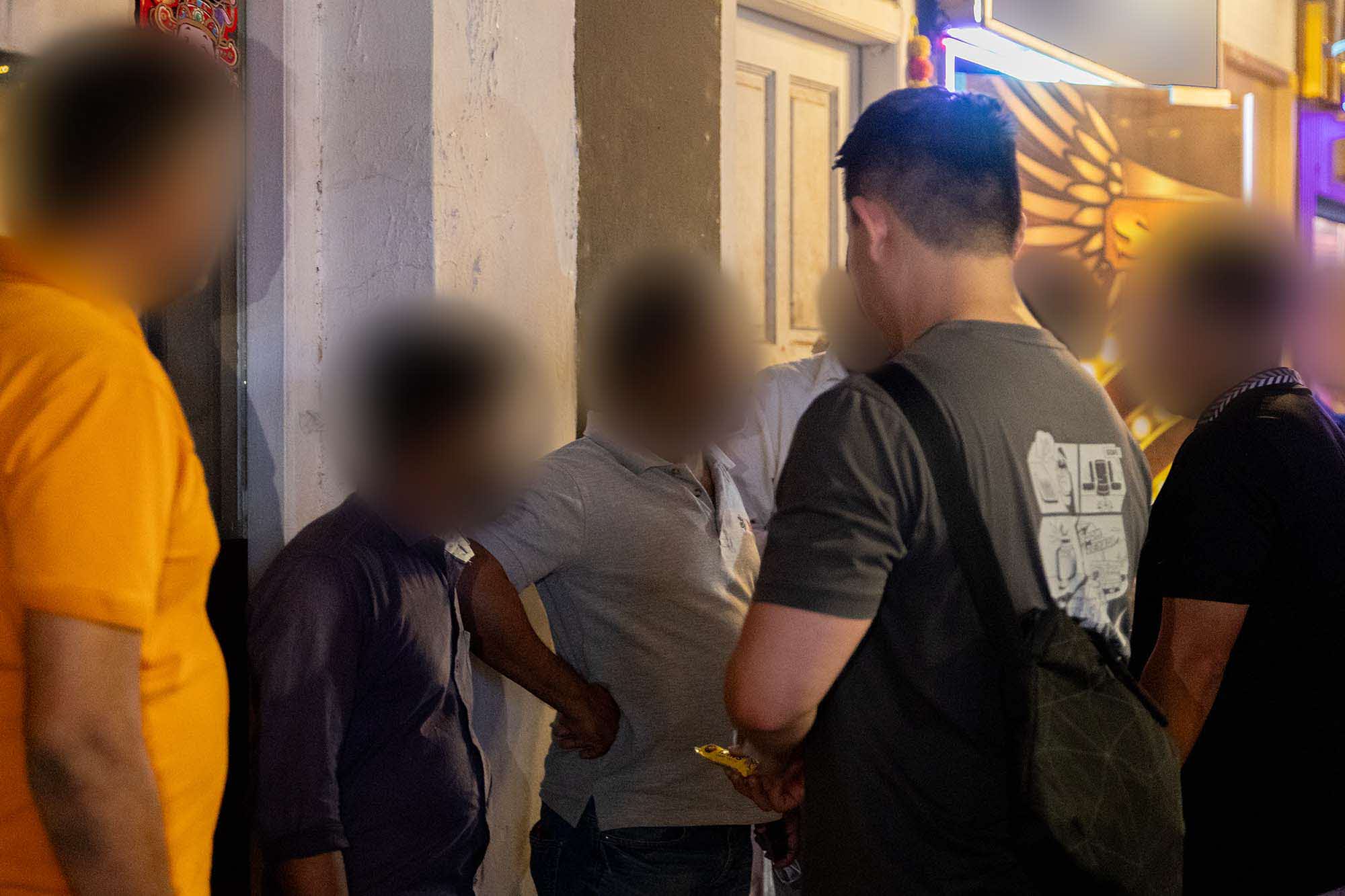
The operation wrapped up at around 1am. On my way home, I replayed the night’s events in my mind. Nothing prior to this internship could have prepared me for what I’d just experienced.
That night expanded my knowledge of responsible journalism: how to be invisible yet present; how to document truth without disrupting it; and how to balance journalistic duty with operational sensitivity in a high-stakes environment.
Finding the Human Stories Behind the Uniform
While my coursework taught me how to conduct interviews, my internship showed me how to tailor them for a specific profile: Police officers.
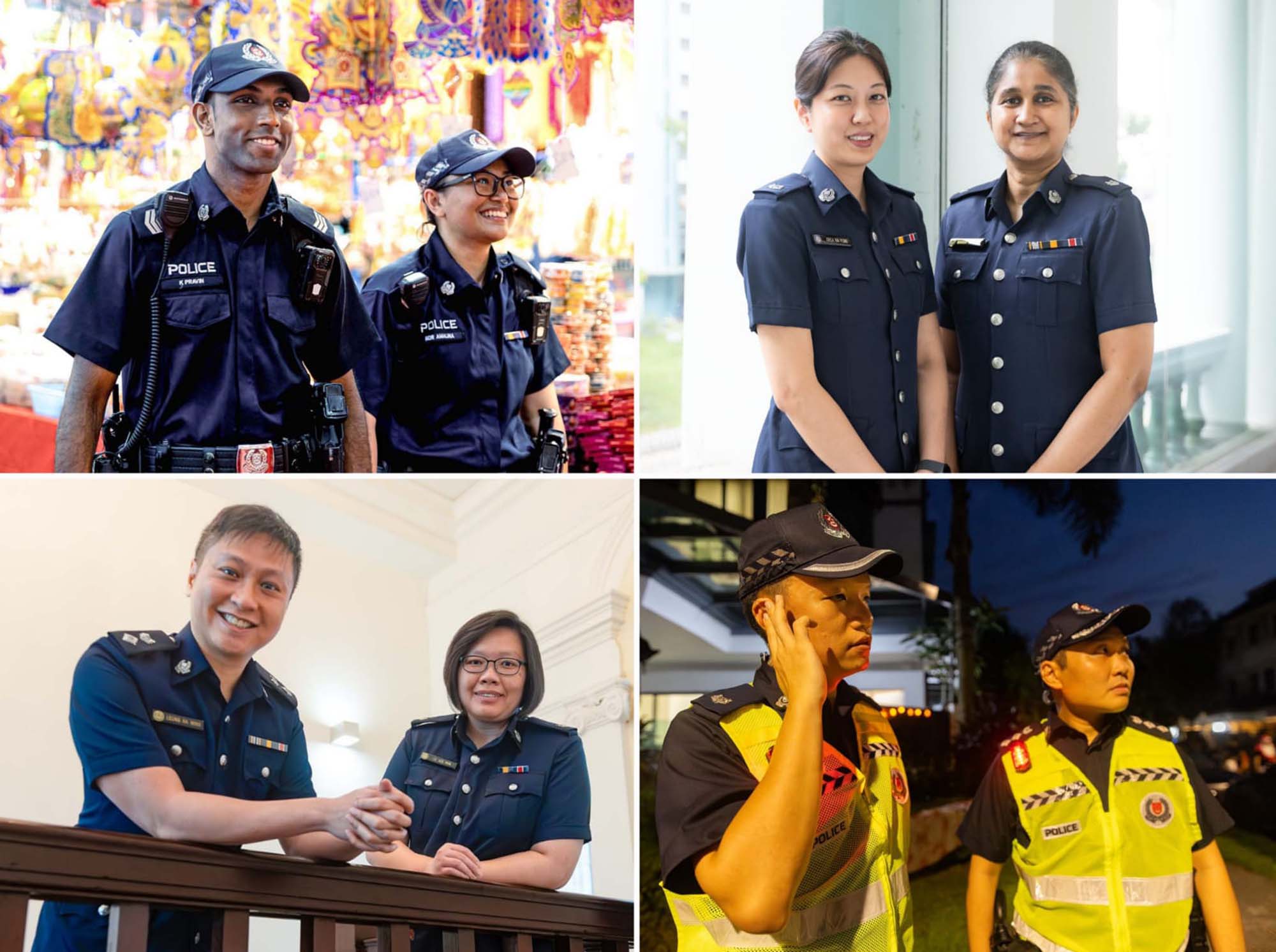
I’d interviewed classmates and members of the public for classroom assignments, but Police officers were different; they carry out a noble and essential duty that often goes unrecognised.
Through my articles, I’ve had the opportunity to showcase their dedication and humanity to the public.
My go-to question, “Why did you join the SPF?” consistently broke the ice, but more importantly, it revealed the authentic motivations behind their service. When officers gave brief responses, I learned to ask thoughtful follow-up questions.
This was my experience with Deputy Superintendent of Police (DSP) Kiran Devi, who received the Commendation Medal at the Ministry of Home Affairs (MHA) National Day Awards Investiture 2025. Her interest was sparked during her time in the National Police Cadet Corps. With more than 30 years of service, she shared what continues to drive her: “I’m making a real difference in the community!”
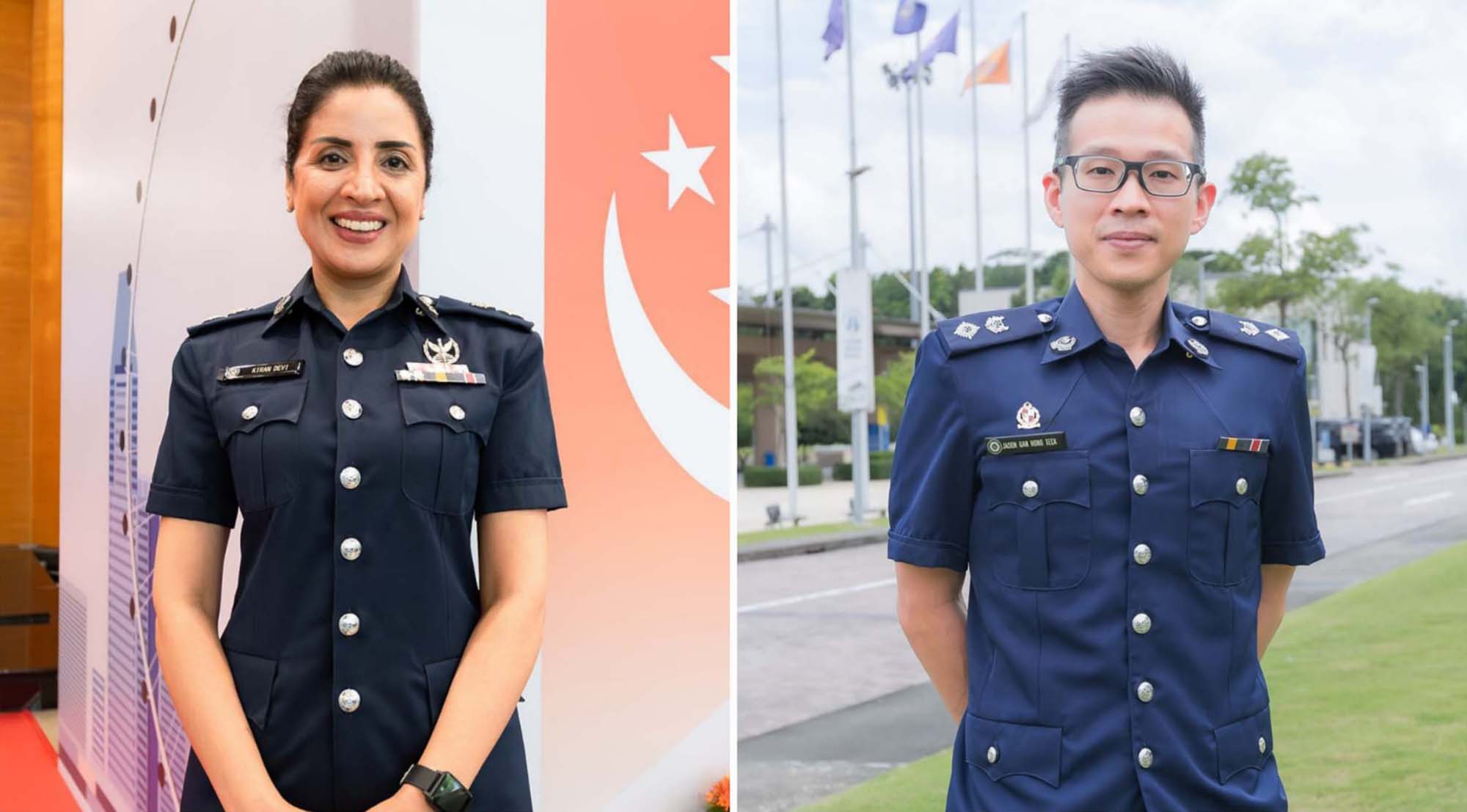
This sentiment was echoed by DSP Gan Hong Teck, recognised at the MHA Minister’s Awards Presentation Ceremony 2025 for his involvement in the CRIMES3 project. He said, “My younger self had imagined that coming home each day, knowing that I’ve contributed to keeping Singapore safe, would bring immense satisfaction… I’m glad to say that my younger self was right!”
These conversations taught me that meaningful journalism requires empathy, patience and the drive to honour the stories of those who serve.
Crimewatch: Working Behind the Lens
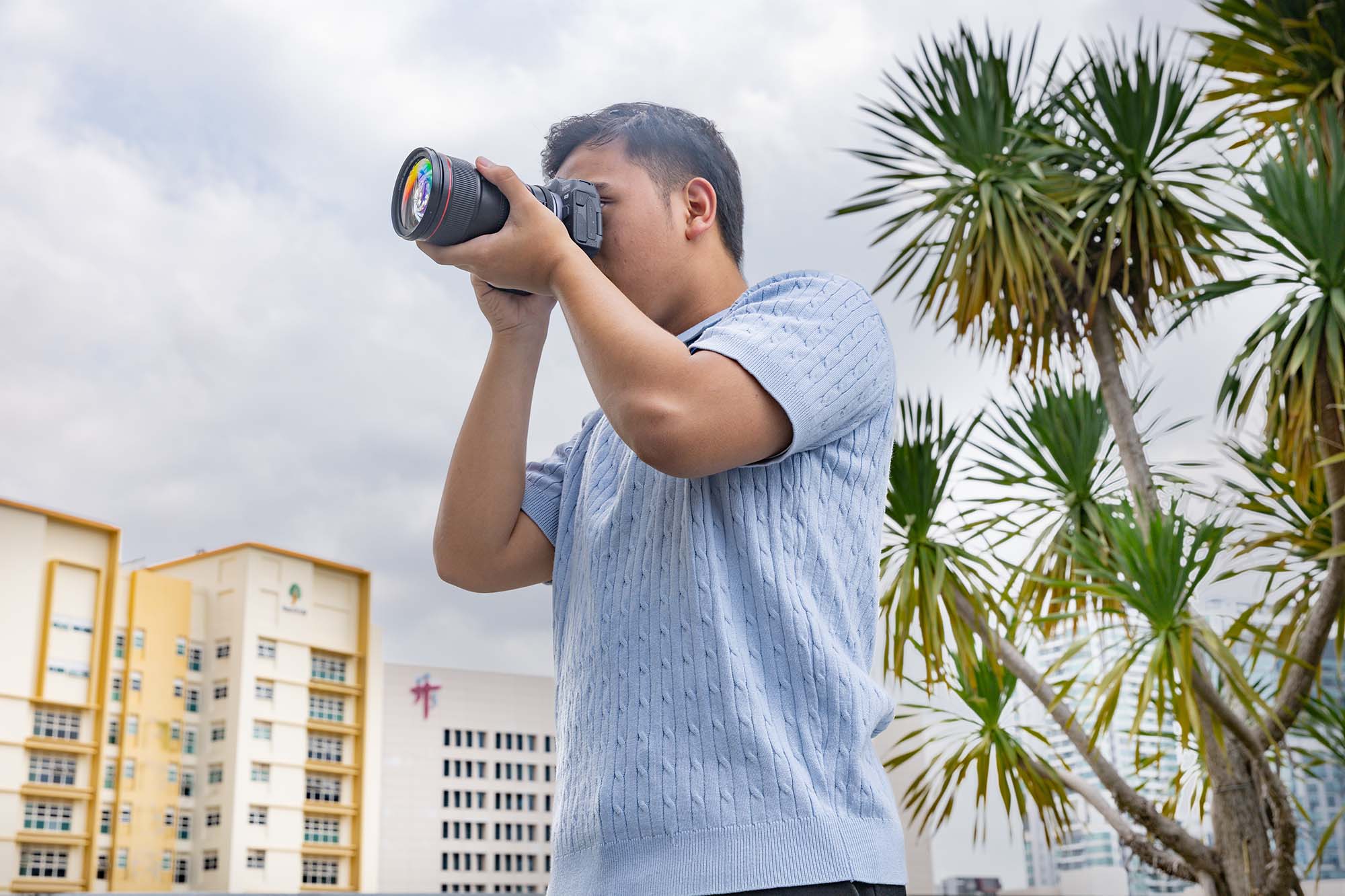
Being assigned to shoot Crimewatch productions was another highlight of my internship, allowing me to witness professional broadcast production firsthand.
I was entrusted with capturing both on-camera scenes and behind-the-scenes photographs. While my school modules had taught me basic photography, covering an established programme like Crimewatch demanded a different level of precision and creative problem-solving.
While experimenting with different angles to enhance visual storytelling, the real challenge was learning to navigate tight spaces and on-site constraints during shoots. At times, I was reminded – sometimes bluntly – that I was in the cameraman’s frame. Rather than being discouraged, I saw these moments as part of the learning curve.

I learned that a simple question makes all the difference: “Am I in the shot?” By communicating clearly with the crew, I could reposition myself and work more effectively.
This taught me to adapt on the spot, read the room and exercise patience. More importantly, I learned that every shot had to serve the larger narrative while maintaining the professional standards expected of Singapore’s longest-running crime prevention programme.
Lessons That Go Beyond the Internship
Looking back on the past 20 weeks, I learned that journalism isn’t just about reporting events; it’s about building bridges between the public and those who serve them. Every photograph I captured and every article I wrote carried the responsibility of accurately representing the dedication and professionalism of our Police officers.
The SPF expanded my horizons on the role of a journalist: being a silent storyteller who maintains operational boundaries; an empathetic listener who draws out authentic human stories; and a patient visual narrator who understands that the best shots often require waiting for the right moment.
As my internship concludes, I’m grateful to everyone who showed me that journalism serves a purpose greater than providing information – it builds understanding and trust. These are lessons I learned outside the classroom.


